8 Places Every Home Should Have a Water Leak Sensor

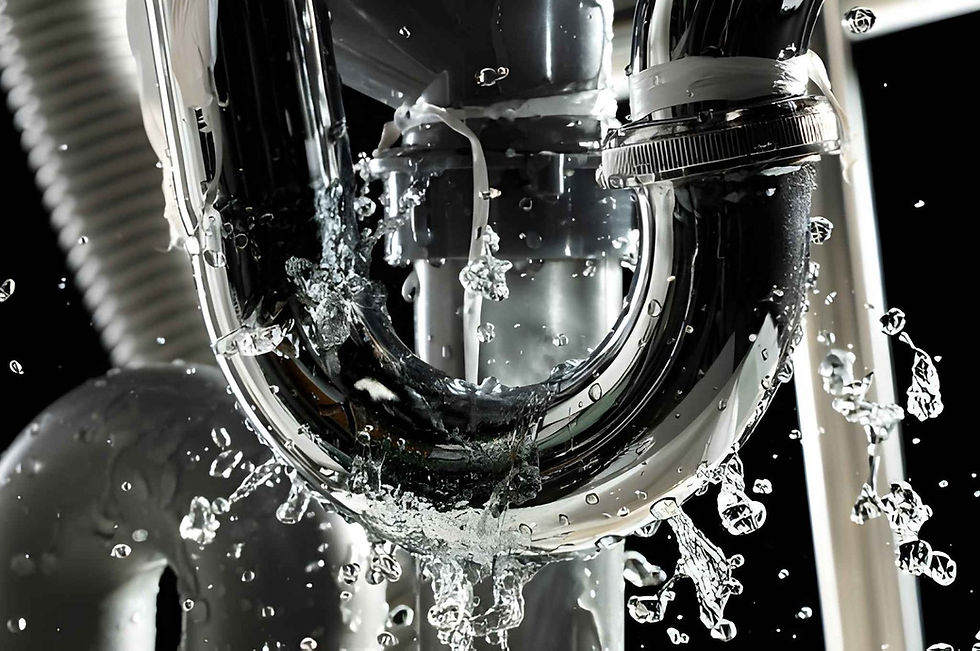
Water damage is one of the most expensive and disruptive problems homeowners can face. A small leak hidden behind an appliance or beneath a sink can go unnoticed for days or even weeks, leading to damaged flooring, mold growth, and costly repairs. Because many leaks develop silently, homeowners often discover them only after significant damage has already occurred.
Installing water leak sensors is a simple way to detect problems before they become emergencies. These devices alert you when moisture is detected, allowing you to respond quickly and reduce potential damage. If you're considering water leak sensor installation in Falmouth, MA, knowing the best locations for these devices will help you protect the most vulnerable areas of your home.
1. Under the Kitchen Sink
The kitchen sink is one of the most common locations for plumbing leaks. Water supply lines, drain pipes, garbage disposals, and faucet connections all create opportunities for moisture to escape over time.
A leak sensor placed beneath the sink can provide early detection if:
Supply lines begin leaking
Drain connections loosen
The garbage disposal develops cracks
Water accumulates inside the cabinet
Detecting leaks early helps prevent cabinet damage, warped flooring, and costly repairs.
2. Behind the Washing Machine
Washing machine supply hoses experience constant water pressure and repeated movement during every laundry cycle. Over time, hoses may wear out, crack, or loosen at the connection points.
Leaks behind the appliance often remain hidden because homeowners rarely move the unit for inspection.
Installing a leak sensor behind the washing machine provides continuous monitoring and helps identify problems before water spreads throughout the laundry room.
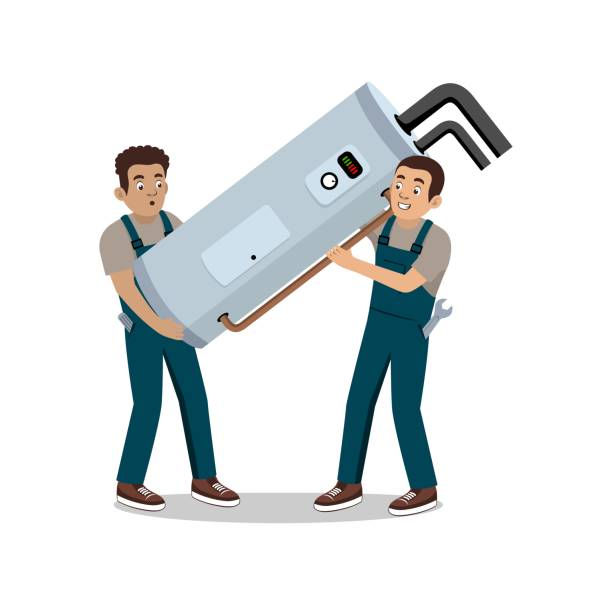
3. Around the Water Heater
Water heaters naturally age, and even well-maintained units can eventually develop leaks. A small amount of water around the base of the tank may be the first indication that repairs or replacement are needed.
Near the Base of the Tank
Placing a sensor beside the water heater allows it to detect water pooling around the unit before damage spreads.
Around Water Supply Connections
Leaks may also develop where water lines connect to the heater. Positioning sensors near these fittings provides an additional layer of protection.
Combining leak detection with smart water monitoring helps homeowners respond quickly to unexpected plumbing issues.
4. Beneath Bathroom Vanities
Bathroom sinks are another frequent source of hidden plumbing leaks. Loose fittings, worn supply lines, or damaged drain assemblies can allow water to collect inside vanity cabinets.
Because these leaks often develop gradually, they may cause mold, wood rot, or cabinet deterioration before becoming visible. A leak sensor provides an early warning whenever unwanted moisture begins accumulating beneath the sink.
5. Near the Dishwasher
Dishwashers rely on multiple plumbing connections that may wear out with regular use. Small leaks beneath the appliance are especially difficult to detect because the unit remains concealed beneath countertops.
Potential leak sources include:
Water supply hoses
Drain connections
Internal pump components
Door seals
Installing a sensor nearby helps identify leaks before they damage flooring or surrounding cabinetry.
6. Around HVAC Equipment
Many heating and cooling systems produce condensation during normal operation. If the condensate drain becomes blocked or damaged, excess water may collect around the equipment.
Leak sensors placed near HVAC units can help detect:
Condensate Drain Problems
Clogged or disconnected drain lines may cause water to overflow unexpectedly.
Equipment Leaks
Some heating systems and heat pumps also contain plumbing connections that may develop leaks over time.
Including these areas in your home leak detection system improves protection throughout the property.
7. Basements and Utility Rooms
Basements often contain several plumbing components, including water supply lines, shut-off valves, filtration systems, and storage areas where leaks may go unnoticed.
A leak sensor placed in these spaces provides valuable protection by monitoring for unexpected moisture.
This is particularly important in unfinished basements where small leaks can remain hidden for extended periods.
8. Near the Sump Pump
flooding. If the pump fails during heavy rainfall, water can accumulate rapidly, increasing the risk of basement flooding and costly property damage. Blue Pacific Cape Cod offers dependable sump pump services to help keep your system operating efficiently when it matters most.
Positioning a leak sensor nearby provides early notification if:
The sump pump fails
Water levels rise unexpectedly
Drainage becomes obstructed
Flooding begins
Adding automatic leak detection around the sump pump creates another layer of defense against basement water damage.
Frequently Asked Questions
What is a water leak sensor?
A water leak sensor is a device that detects moisture and alerts homeowners when water is present in areas where it shouldn't be.
Where should water leak sensors be installed?
They are commonly placed beneath sinks, behind washing machines, near water heaters, around dishwashers, in utility rooms, and near sump pumps.
Do water leak sensors help prevent water damage?
Yes. Early leak detection allows homeowners to respond quickly, minimizing property damage and reducing repair costs.
Are leak sensors difficult to install?
Many sensors are designed for simple placement near plumbing fixtures, although some integrated monitoring systems may require professional installation.
How many leak sensors should a home have?
The ideal number depends on your home's size and plumbing layout, but placing sensors in high-risk areas provides the greatest protection.
Final Thoughts
Small plumbing leaks can quickly become expensive repairs when they go undetected. Installing water leak sensors in strategic locations throughout your home provides early warnings that help protect flooring, cabinets, appliances, and structural materials. Taking preventive measures today can reduce future repair costs while giving homeowners greater confidence that their property is protected.
Protect Your Home Before Leaks Become Costly
Professional water leak sensor installation Falmouth, MA helps safeguard your home by detecting leaks early and reducing the risk of costly water damage before it spreads.