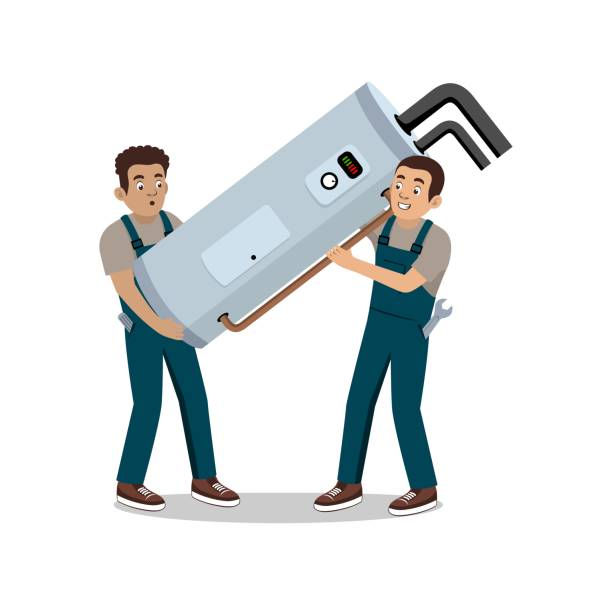
Signs Your Home Needs a New Water Heater Installation


A water heater installation rarely stops working without giving homeowners some warning. Changes in water temperature, unusual sounds, visible corrosion, and recurring leaks can all indicate that the equipment is approaching the end of its useful service life. Recognizing these signs early can help prevent a sudden loss of hot water or more serious property damage.
When we assess an aging system, we look at its overall condition rather than relying on one symptom. Some problems can be repaired, while others indicate that replacement makes more sense. Knowing the difference can help homeowners make a better decision before the existing heater fails completely.
Hot Water Is No Longer Consistent
One of the clearest warning signs is inconsistent hot water. A shower may start normally but become lukewarm much sooner than expected, or different fixtures may struggle to provide enough hot water at the same time.
Temperature problems can have several causes, including a failing heating element, thermostat issues, sediment accumulation, or an aging tank. If adjustments or repairs no longer restore reliable performance, replacement may be worth considering.
For homes experiencing recurring problems with water heater replacement in Falmouth, MA, the condition and age of the existing unit should be evaluated before deciding whether another repair is worthwhile.
The Tank Is Showing Signs Of Leakage
Water around the base of a storage tank should never be ignored. A small amount of moisture can sometimes come from a connection or valve, but water coming directly from the tank itself can indicate internal corrosion or structural deterioration.
Tank leaks tend to become more serious as the equipment ages. Once the tank itself has developed a significant leak, repair is generally not a practical solution because the container is an integral part of the heater.
A homeowner who notices water collecting around the unit should arrange an inspection rather than assuming the issue will resolve on its own.
The Water Looks Rusty Or Discolored
Rust-colored hot water can indicate corrosion somewhere within the water-heating system. The source may be the tank, an internal component, or the home's plumbing, so discoloration alone does not automatically mean the heater needs replacement.
However, recurring rusty water from hot-water fixtures deserves attention, particularly when it appears alongside other warning signs such as leakage, reduced heating performance, or an aging tank.
During an assessment, we consider whether the discoloration appears only in hot water or affects cold water as well. That distinction can help narrow down where the problem originates.
The Heater Makes Loud Or Unusual Sounds
Some operating sounds are normal, but repeated popping, rumbling, banging, or cracking noises can indicate sediment buildup inside a traditional tank.
As sediment accumulates, water can become trapped beneath the deposits. When the water heats, the resulting steam bubbles can create popping or rumbling sounds. Heavy buildup can also interfere with heating performance.
Noise does not automatically mean the heater must be replaced. The age and condition of the unit matter. An older heater with several symptoms may be a stronger replacement candidate than a newer system with an isolated maintenance issue.
The Unit Is Getting Older
Age is another factor homeowners should consider. Even when an older heater is still producing hot water, its condition can change significantly over time.
Older equipment may experience more frequent component failures, corrosion, leaks, and declining performance. Continuing to repair an aging unit can also become less appealing when multiple components begin requiring attention.
Blue Pacific Cape Cod considers the heater's age alongside its current condition, maintenance history, performance, and the homeowner's expectations for future reliability.
Water Takes Too Long To Heat
If hot water takes noticeably longer to recover after normal household use, something may be affecting the heater's ability to transfer or produce heat.
For a traditional tank, sediment buildup, heating-element problems, thermostat issues, or other component failures can contribute to slow recovery. For tankless equipment, mineral accumulation, flow-related issues, or system capacity can produce different symptoms.
If slow heating has become a recurring problem, an inspection can determine whether maintenance or replacement is the more appropriate next step.
Repairs Are Becoming More Frequent
One repair by itself does not necessarily justify replacing a water heater. The bigger concern is a pattern of repeated problems.
If a homeowner has already dealt with multiple component failures, leaks, temperature problems, or other service calls, continuing to repair the same aging equipment may not provide the long-term reliability expected from a replacement.
We look at the entire history of the unit rather than recommending replacement based solely on one repair.
The Household's Hot Water Needs Have Changed
Sometimes the heater is not failing—the household has simply outgrown it.
A growing family, additional bathroom, new appliances, or changes in daily routines can increase hot-water demand. A system that once worked well may no longer provide enough capacity for the household.
In these situations, homeowners considering tankless water heater installation in Cape Cod, MA may want to compare available system types and capacity requirements rather than automatically replacing the old heater with a similar model.
A Quick Warning-Sign Checklist
Warning Sign | What It May Indicate |
Inconsistent hot water | Heating or control problem |
Water around the tank | Connection or tank leak |
Rust-colored hot water | Corrosion or plumbing issue |
Loud popping or rumbling | Sediment accumulation |
Slow recovery | Heating or capacity issue |
Frequent repairs | Aging or deteriorating equipment |
Insufficient hot water | Capacity no longer matches demand |
Key Takeaways
A Water Heater Installation may become necessary when leaks, inconsistent temperatures, corrosion, noise, or repeated repairs point toward an aging system.
One symptom does not always mean replacement is required; the heater's age, condition, maintenance history, and performance should be considered together.
Changes in household demand can also justify replacement when an existing system no longer provides enough hot water.
When Replacement Makes More Sense Than Another Repair
The decision usually comes down to the condition of the entire system. A relatively new heater with a single failed component may be a reasonable repair candidate. An older unit with leakage, corrosion, inconsistent heating, and repeated service problems presents a different situation.
We recommend having the equipment assessed before making a decision. That gives homeowners a clearer picture of whether the existing system can reasonably continue operating or whether replacement should be planned.
Address Water Heater Problems Before Failure
A failing water heater can create more inconvenience when the warning signs are ignored. We can assess the existing equipment, identify the likely source of the problem, and explain whether repair or replacement is the more appropriate option. Blue Pacific Cape Cod works with homeowners throughout Cape Cod who need dependable water-heating solutions. Call (508) 274-9939 or email BluePacificCapeCod@gmail.com to discuss a water heater concern or upcoming replacement.
FAQs
1. Does rusty water always mean the water heater needs replacement?
No. Rusty water can originate from the water heater or other plumbing components. However, recurring discoloration should be inspected, especially when combined with other warning signs.
2. Can a leaking water heater be repaired?
If the leak comes from a valve or connection, repair may be possible. A leak originating from the tank itself can indicate internal deterioration and may require replacement.
3. Are loud noises from a water heater normal?
Minor operating sounds can be normal, but repeated popping, rumbling, or banging can indicate sediment buildup or another issue that deserves inspection.
4. How do homeowners know if their heater is too small?
Frequent shortages of hot water, particularly during normal household use, can indicate that the system's capacity no longer matches demand.
5. Is an old water heater automatically unsafe?
Age alone does not determine the condition of a heater. However, older equipment should be evaluated more carefully, particularly when it develops leaks, corrosion, or repeated performance problems.
6. Should a homeowner wait until the water heater completely fails?
Waiting until complete failure can create unnecessary inconvenience and may increase the risk of water damage if the tank develops a major leak. Planning replacement after clear warning signs can provide more control over the timing.