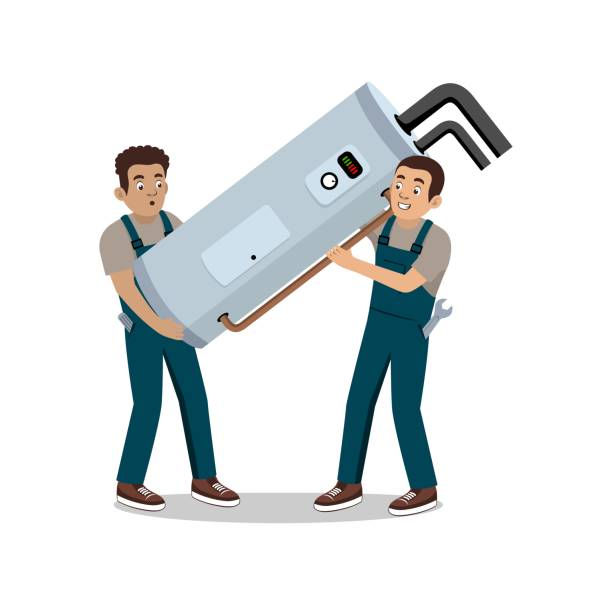
Step-by-Step Guide to Professional Water Heater Installation

Professional water heater installation requires careful planning, proper equipment, and precise execution to ensure safety, efficiency, and long-term performance. The process involves selecting the right unit, preparing the installation area, connecting water and energy lines, and testing the system for proper operation. When done correctly, installation improves energy efficiency and reduces the risk of future repairs.Incorrect installation can lead to leaks, safety hazards, and reduced system lifespan.Following a structured approach ensures reliable performance and compliance with safety standards. Blue Pacific Cape Cod provides expert installation services designed to ensure safe setup and long-term system efficiency.
Key Takeaways
Proper installation ensures safe and efficient operation
Choosing the right unit impacts long-term performance
Accurate connections prevent leaks and system failure
Professional setup reduces future repair risks
Testing ensures optimal functionality
Water heaters contribute to nearly 20% of household energy usage, making proper installation essential for efficiency. Studies show that correctly installed systems can improve performance and reduce energy waste significantly.
Choosing the Right Water Heater
Selecting the correct water heater is the first step in the installation process. Factors such as household size, water usage, and energy source determine the most suitable option.
Tank and tankless systems offer different benefits. Tank systems store hot water, while tankless units heat water on demand. Energy efficiency, installation space, and budget should also be considered.
In areas like Falmouth, climate conditions can influence system performance, making it important to choose a unit that meets local requirements.
Preparing for Installation
Preparation is essential to ensure a smooth installation process. The installation area must be inspected and prepared to accommodate the new system.
Preparation Steps
Turn off water and power supply
Drain the existing water heater
Inspect connections and surrounding area
Ensure proper ventilation for gas systems
Verify space requirements for the new unit
Proper preparation reduces installation time and prevents complications during setup.
Installation Process and System Setup
The installation process involves connecting the water heater to plumbing and energy systems. This step requires precision to ensure safe and efficient operation.
Position the unit securely in the designated area
Connect water supply and outlet lines
Install temperature and pressure relief valve
Connect electrical or gas supply safely
Seal connections to prevent leaks
During this stage, many homeowners look for water heater installation service Falmouth, MA when they need professional assistance to ensure proper setup and compliance with safety standards.
Professional installation ensures that all components are correctly connected and functioning.
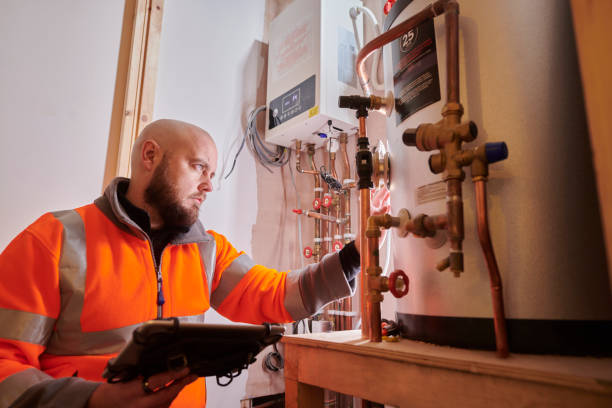
Testing and Final Inspection
After installation, the system must be tested to ensure proper operation. This step verifies that the water heater is functioning safely and efficiently.
The system is filled with water, and connections are checked for leaks. Temperature settings are adjusted, and heating performance is tested.
Final inspection ensures compliance with safety standards and confirms that the system is ready for use.
Factors to Consider Before Installation
Before installing a water heater, several factors should be evaluated. The size of the unit must match household demand to ensure consistent hot water supply.
Energy efficiency ratings should also be considered, as they impact long-term operating costs. Installation location and ventilation requirements are additional factors that influence system performance.
Budget and long-term maintenance needs should also be taken into account when selecting a water heater.
Benefits of Professional Water Heater Installation
Professional installation provides significant advantages over DIY methods. It ensures safety, efficiency, and long-term reliability.
Key Benefits
Proper setup reduces risk of leaks and damage
Compliance with safety and building codes
Improved energy efficiency and performance
Reduced likelihood of future repairs
Extended system lifespan
Industry data shows that professional installation can improve system efficiency by up to 15%, reducing energy costs over time.
Common Mistakes to Avoid
Many homeowners make mistakes during water heater installation that can lead to serious issues. Avoiding these mistakes ensures better results.
What to Avoid
Incorrect sizing of the water heater
Improper connection of water or energy lines
Skipping safety components like relief valves
Inadequate ventilation for gas systems
Failing to test the system after installation
These mistakes can result in safety hazards and reduced system performance.
Addressing Common Installation Concerns
Homeowners often worry about how long installation takes. Most installations can be completed within a few hours, depending on the complexity of the setup.
Another concern is cost. While professional installation may involve upfront expenses, it prevents costly repairs and ensures long-term efficiency.
Safety is also a key concern. Professional technicians follow strict guidelines to ensure safe installation, especially for gas and electrical systems.
Practical Tips for Maintaining a New Water Heater
Maintaining a newly installed water heater helps ensure long-term performance. Regular flushing removes sediment buildup that can affect efficiency.
Checking the anode rod helps prevent corrosion inside the tank. Monitoring temperature settings ensures safe operation and reduces energy consumption.
Routine inspections and maintenance extend the lifespan of the system and reduce the need for repairs.
Frequently Asked Questions
How long does water heater installation take?
Most installations take a few hours, depending on the type of unit and complexity of the setup.
Is professional installation necessary?
Yes, professional installation ensures safety, compliance with codes, and proper system performance.
What size water heater is needed?
The size depends on household water usage and number of occupants.
Can an old water heater be replaced with a tankless system?
Yes, but it may require additional modifications to plumbing and electrical systems.
How often should a water heater be maintained?
Water heaters should be inspected and maintained at least once a year.
Final Thoughts
Professional water heater installation is essential for ensuring safe operation, energy efficiency, and long-term reliability. By following a structured process, choosing the right unit, and avoiding common mistakes, property owners can achieve optimal performance and reduce future repair needs. Proper installation and regular maintenance help maximize the lifespan of the system while maintaining consistent hot water supply.
For reliable and efficient water heater installation, homeowners should work with experienced professionals who prioritize safety and quality. Skilled technicians provide accurate setup, thorough testing, and long-term performance benefits. Contact a trusted service provider today to install your water heater correctly, improve energy efficiency, and ensure a dependable hot water system for your home or business.